
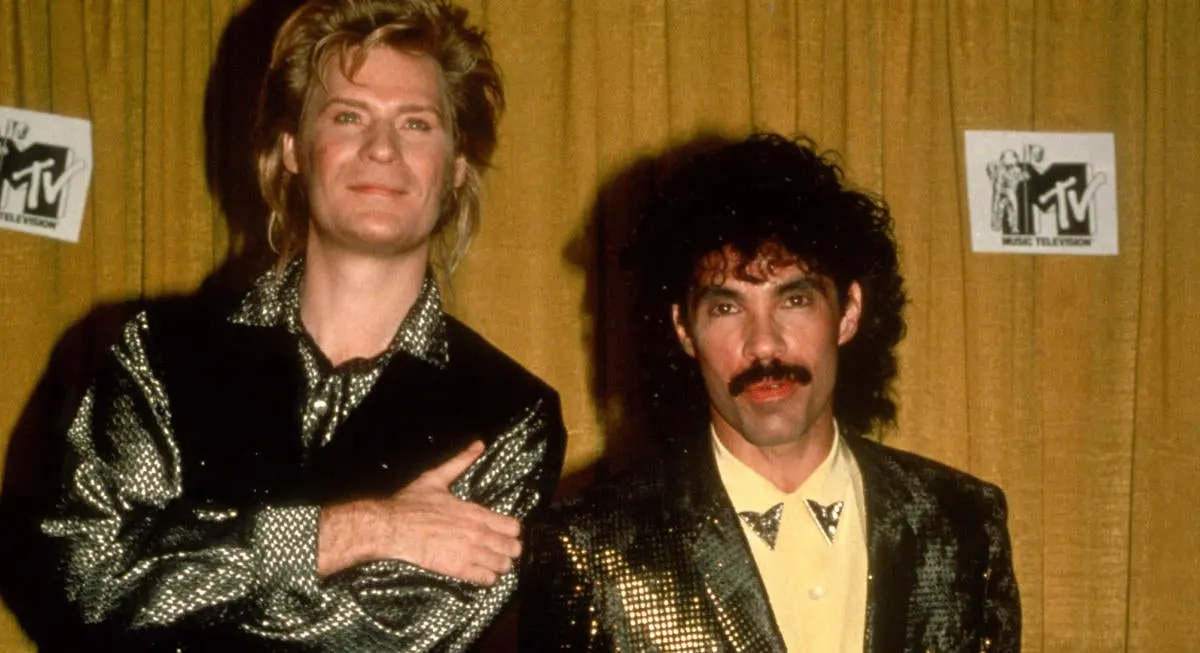
Daryl Hall is recovering from a kidney transplant.
The Hall & Oates co-founder shared the health update with fans in a Instagram post Tuesday, revealing that he recently received a kidney from a living donor.
“Hello everyone! I thought you should know that I recently received a kidney transplant from a very kind and generous living donor,” he wrote.
The 79-year-old musician said the procedure took place a few weeks ago and his recovery is going well.

“It happened a few weeks ago and I’m already starting to feel better,” he continued. “According to my doctors it was a great success!”
Hall also assured fans that he expects to return to work in the coming months.
“I should be back to normal in a few months, so get ready for more music and lots of Daryl’s House shows,” he wrote. “You all be careful!”
The Rock & Roll Hall of Famer did not provide any additional details about the transplant or the circumstances that led to the procedure.
Hall has previously spoken publicly about his health issues, including his long battle with Lyme disease. The singer contracted the tick-borne disease in 2000 and was diagnosed in 2006. according to the Bay Area Lyme Foundation.
He has previously opened up about the unpredictable symptoms he experienced after his diagnosis.
He spoke to The Portsmouth Herald in a 2008 interview, noting that he has “good days and bad days.” At the time, he had to cancel concerts due to the illness.
“I was fine for four months, then I might experience tremors, headaches and fatigue. It’s like a roving street gang of germs. There’s no cure, but you can control it,” he said.
He also discussed what he considered a broader misunderstanding about chronic Lyme disease and its long-term effects.
“There are two camps with very strong feelings,” Hall said. “One camp is really sure that if you get bitten by a tick, you will get tests, medicine. But with the chronic disease that won’t make a dent.”
Hall added that the disease can affect people in different ways and should be taken seriously.
“It manifests itself in so many ways. It can lead to heart disease and depression. It can be so severe that it has killed people. It’s a struggle,” he said.













Leave a Reply