
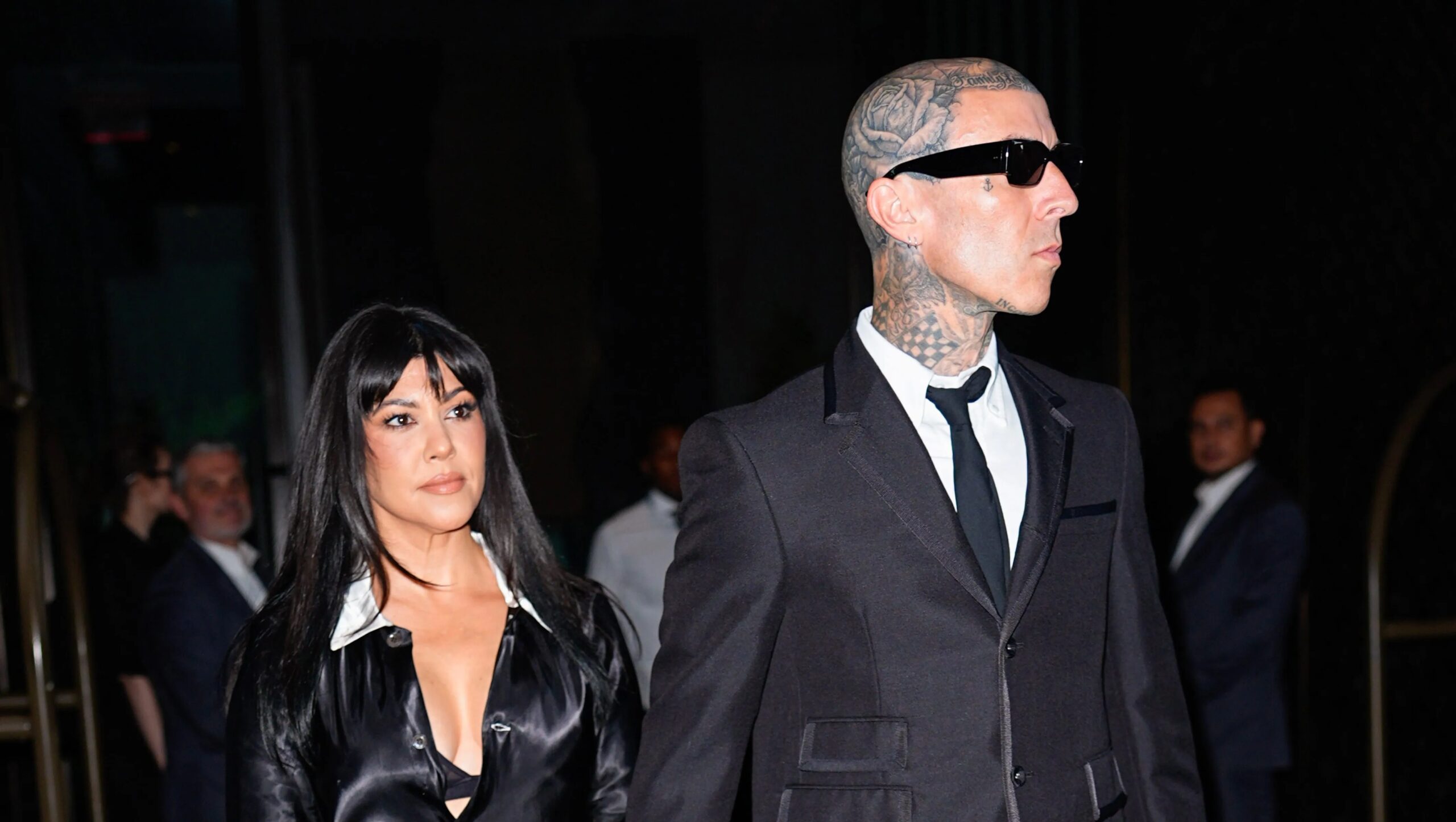

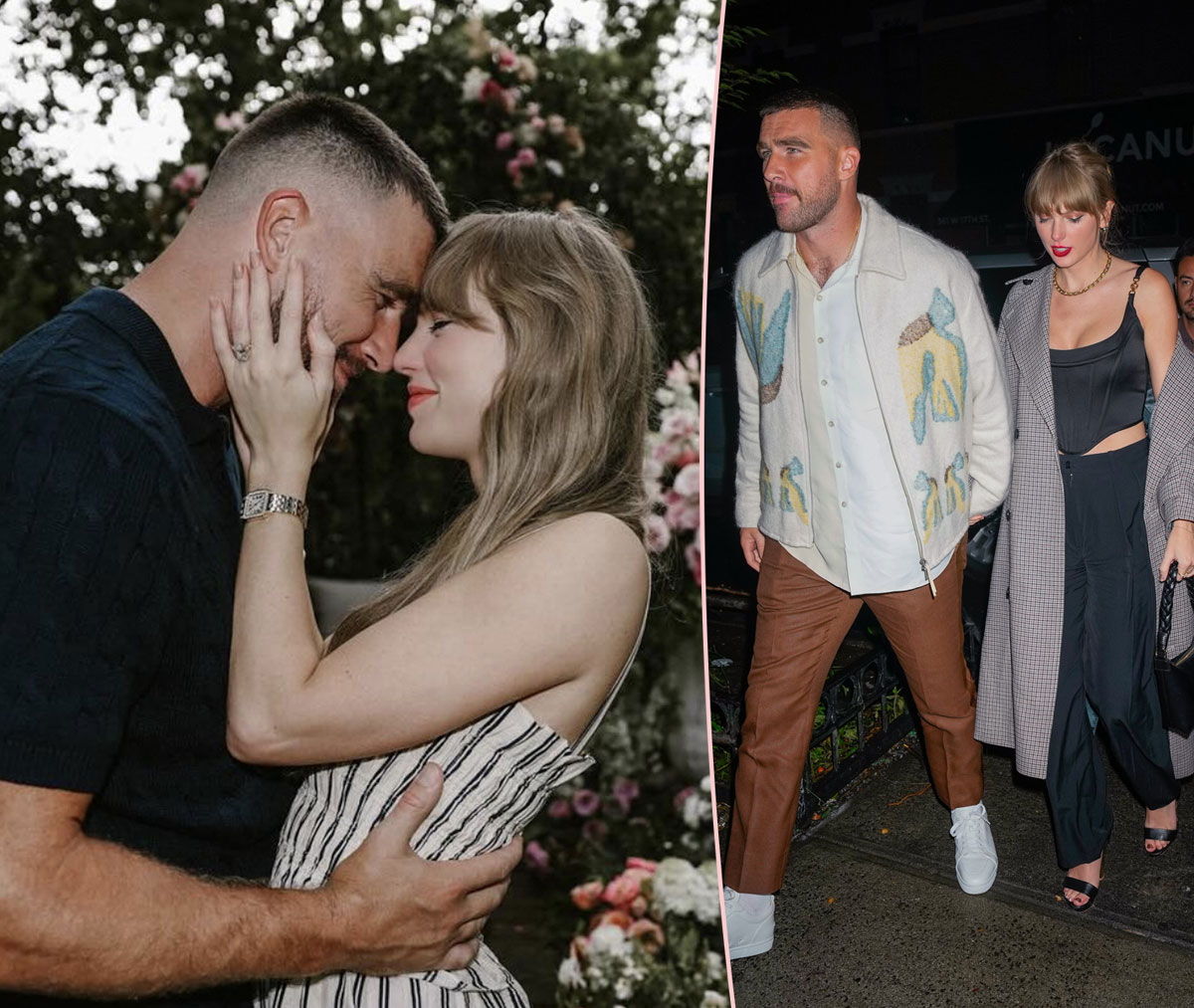
Kourtney Kardashian And Travis Barker Last weekend they walked the red carpet together for the first time in over two years at the Tribeca Film Festival, and they did it the only way they know how. Fingers laced. Bodies came in. Whispering as if no one else was in the room.
Search the internet.
Within hours, responses poured in. Obsessed. Shrink. Entangled. And the favorite buzzword of every armchair therapist with a TikTok account: codependent.
Two years is an eternity in celebrity time. They had a high-risk pregnancy, a terrifying fetal surgery, a new baby, a blended family the size of a small school, and a public goldfish bowl they couldn’t empty. They stepped away. Now they’re back. Still stuck together.
I want to make a case for what you’re actually looking at.
What your nervous system does on a red carpet
On Tuesday afternoons in my office I watch couples diagnose themselves with whatever pop psychology term went viral that week. They sit on my couch, convinced they’re devastated because they miss their partner when she’s at a work dinner, or because he goes quiet when she doesn’t text back for three hours.
This is what actually happens beneath every interaction you have with the person you love. Your nervous system runs a silent background program and asks only two questions. Are you there for me? Am I enough for you?
That program doesn’t switch off when you get older. It doesn’t matter if you become a CEO, a rockstar drummer or a reality TV icon. Attachment is the best theory we have about what love actually is, and its core is simple. We must be emotionally connected from the cradle to the grave.
When a baby’s caregiver disappears, the baby does not experience mild discomfort. The baby’s limbic system views it as an existential threat. Fast forward forty years and you’re still that baby when it comes to the person you love most. Nothing has fundamentally changed.
So when Kourtney and Travis stand on a chaotic carpet in New York City, their every move watched, judged, screenshotted, archived, they answer these two age-old questions for each other in real time. Yes, I’m here. Yes, you are enough.
That’s not cringing. That is co-regulation for a thousand cameras. If you want to read your own version of those signals more clearly, you can do so Request your free relationship analysis and see what your nervous system is asking for.
The word codependent does a lot of damage
The cultural script now says that you should never need your partner too much. You should be a sovereign island. Two whole people who occasionally dock in the same port. Anything more than that gets the label.
Codependent, my ass.
I mean it. When two people who love each other admit that they depend on each other for emotional security, calling it codependency is a mean-spirited way of describing what is actually happening between them. It’s a way to pathologize love.
Recently I had a couple in my office completely convinced that they had failed a modern test of independence. He couldn’t enjoy a men’s evening without reporting. She couldn’t fall asleep without him in bed. They told me almost in unison, “We cannot live in the world without each other. We depend on each other.”
I stopped them mid-sentence. No. Stop. I won’t hear it. You are two people who love each other, because love is primary.
This is the cultural confusion I see all the time, and it’s right next to the buzzer diagnosis people throw around for famous couples. If you want to see more clearly where the line actually lies, I’ve written about it entanglement in relationships and how this differs from healthy interdependence.
Which Kourtney and Travis were right to disappear
This is the part that the gossip cycle has completely missed.
When Kourtney and Travis withdrew from the public eye for two years, they weren’t weird. They did exactly what a secure couple does when threatened. They closed ranks. They turned towards each other. They protected the band.
In my opinion, we are an interdependent species. If you accept that and you really feel that your person is there for you and that you are good enough for him or her, something will happen. That emotional security becomes a resource. It funds your ability to step back into a world that wants a piece of you.
A return to the red carpet is the exploration phase. It’s the moment when two people walk out of the safe room and back into the noise, holding hands, not because they’re broken, but because the bond is now strong enough to handle the noise.
You can’t survive the paparazzi by pretending you don’t need your partner. You survive by squeezing their hand so tightly that the rest of the world goes silent for a moment. For more information about the actual research, here the science behind entanglement and why interdependence is not the same animal.
In your current primary partnership, that person will be the most important person in the world to you. I wouldn’t fight that. I would accept it. And to them, you should probably be the most important person in the world too.
The sentence I would say during the session
If a couple came into my office feeling ashamed because they had hidden for two years, or because their friends called them too entangled, I wouldn’t hand them a worksheet on boundaries. I wouldn’t lecture them about creating more space.
I would tell them the truth. Two people who really need each other do something beautiful, not something pathological. I really need to know that I’m important to you. I really need to know that you’re not disappointed in me. Superimposing these needs is not a failure. That’s the whole point of the band.
The internet wants to call Kourtney and Travis obsessed. I would call them resources. Two grown adults who discovered that the cure for a noisy world isn’t more independence. It’s a hand to hold on the way back there.
Take a screenshot of that if necessary.
_______________________________________________________________________________
Fig O’Sullivan and his wife, Teale, are relationship therapists in San Francisco, relationship experts from the Stars and Silicon Valley, founders of Empathi, and built Figlet, our AI relationship coach, an AI relationship coach trained in their clinical work.






Leave a Reply